
Choose a Recovery Machine You Can Trust on Real Jobs
You can feel it the second a job turns into a recovery job. The clock starts ticking. The customer wants the system back today. The weather is doing its thing. And the one tool that decides whether you’re smooth or stuck is the refrigerant recovery machine.
This buyer guide is written for Aussie tradies, techs, and workshop teams who want a clean decision without the fluff. We’ll cover what matters for R32 and R410A work, how to think about speed (without getting tricked by brochure numbers), how to avoid heat shutdowns in hot plant rooms and summer rooftops, and the compliance basics that keep you out of trouble.
We’ll keep it practical. You’ll learn what to check on the listing and documentation, what questions to ask before you buy, and what habits make any decent machine work better.
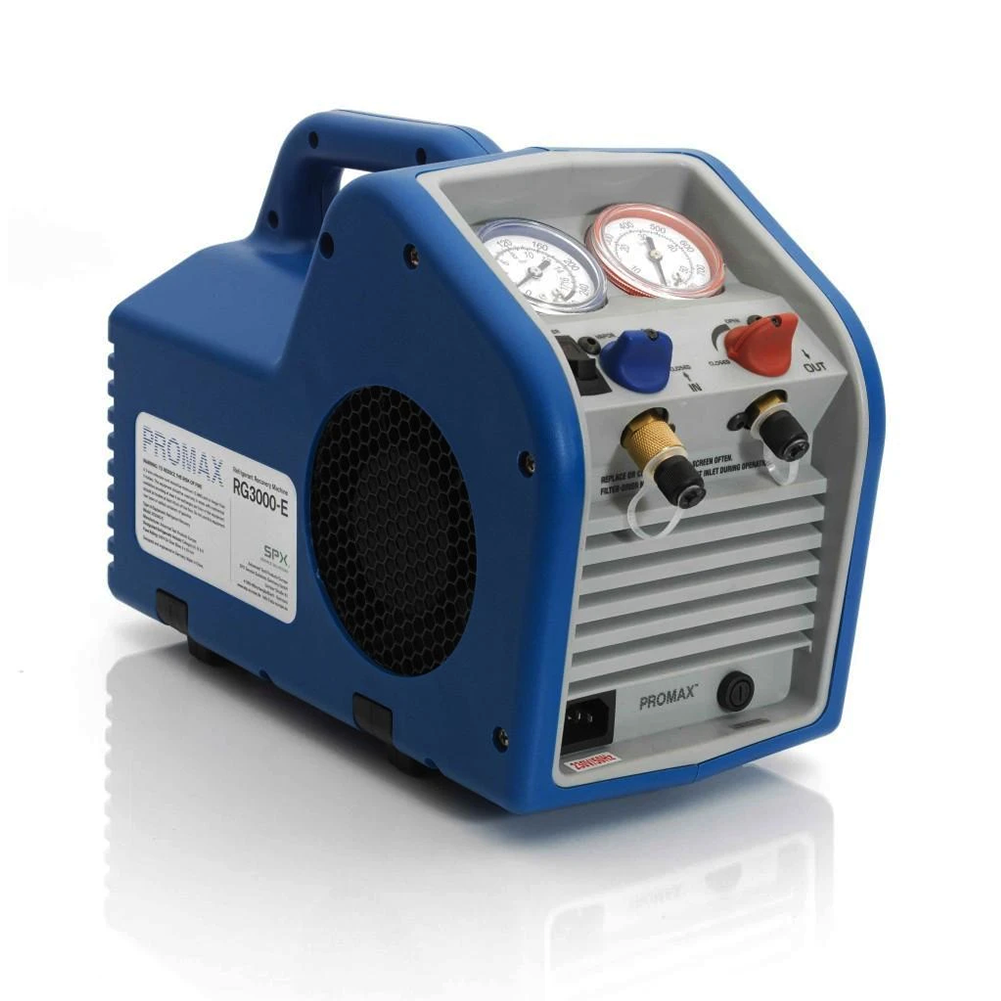
If you want to compare what’s currently stocked for Australian HVAC work, start here: refrigerant recovery machines for Australian HVAC and refrigeration work. It’s the fastest way to compare form factors and see what suits your job mix.
A “slow recovery machine” is often a setup problem. Restrictive hoses, hot cylinders, and blocked airflow can slow recovery more than most people expect.
What a Recovery Machine Actually Does and What It Doesn’t
A recovery machine’s job is simple: move refrigerant out of a system and into a recovery cylinder in a controlled way. That’s it. It’s not a magic fix for a contaminated system, and it won’t make a messy rig behave like a professional setup.
On site, recovery speed is usually limited by three things: flow restriction, temperature, and heat build-up. If the flow path is choked, the machine can’t move refrigerant quickly. If the cylinder heats up, pressure rises and recovery slows. If the machine can’t shed heat, it will protect itself and cut out.
That’s why buying well is about more than one headline number. You want a machine that fits your refrigerants, matches your typical jobs, and is built to survive Australian conditions. Then you want a repeatable workflow around it so every tech rigs it the same way and gets the same result.
Think of it like this. A good recovery machine is the engine. But the hoses, valves, cylinder temperature, and airflow are the road. Bad road means slow travel, even with a good engine.
R32 vs R410A: What You Must Confirm Before You Buy
This is the first fork in the road. Are you doing mostly R410A work, or are you doing a lot of R32 installs and service? In Australia, plenty of teams handle both in the same week.
Here’s the safe rule. Don’t assume a recovery machine is suitable for R32 just because it looks modern. R32 is an A2L refrigerant (mildly flammable). Suitability needs to be explicitly stated by the manufacturer for that exact model. Your job is to confirm the approved refrigerant list on the product listing and in the documentation.
For R410A-only work, you still want a machine that handles real heat. R410A jobs can push pressure and temperature during recovery, especially on hot days or in plant rooms that trap heat. So even when A2L suitability is not the question, heat management and durability still are.
If you run mixed fleets, the smartest buyer move is to choose a machine where the listing clearly supports your common refrigerant mix, then standardise your accessories and process around it. When the whole team runs the same rig, you reduce mistakes, speed up training, and troubleshoot faster when a job gets weird.
One more practical check. Make sure everyone on the team understands the “why”. The point is not to be picky. The point is to avoid a wrong purchase and avoid using a machine outside stated approvals because someone is in a rush on site.
Speed: What Actually Makes Recovery Fast on Site
“Fast recovery” is the most searched feature for a reason. Nobody wants to be watching a cylinder while the day disappears. But speed isn’t just the machine. It’s the full setup.
Start with flow. If your hoses are long, narrow, kinked, or full of adapters, you’ve built a bottleneck. You can buy a great recovery machine and still get slow performance because the rig is choking it. On real jobs, reducing restriction is often the biggest speed win you can get.
Next is temperature. Recovery gets harder as the cylinder warms up. Hot cylinder means higher pressure, and higher pressure means slower recovery. That’s why summer rooftops and hot plant rooms can turn a “quick recovery” into a grind.
Finally, think job type. A small split system service call and a heavier refrigeration job behave very differently. If most of your work is small-to-medium HVAC, you usually want a machine that’s portable and quick to deploy. If you do long recoveries often, you want a machine designed for extended use without constantly heat-limiting.
Here’s what often surprises people. Two different machines can feel similar in the field if the rig is restrictive and the cylinder is hot. That’s why you should shop with a realistic mindset. Buy for your job mix and your heat. Then run a clean standard workflow that lets the machine perform.

If you want faster recovery without changing machines, start with the basics: reduce restrictions, keep airflow around the machine clear, and don’t let the cylinder bake in the sun.
Heat Protection: Why Aussie Conditions Can Shut a Machine Down
Heat protection isn’t a “nice feature”. It’s survival. Brisbane humidity can keep gear warm for longer. Sydney coastal grime can punish coils and airflow over time. Perth heat can make plant rooms feel like ovens. Even Melbourne can go from mild morning to hot afternoon and change the job on you.
A recovery machine makes heat while it works. If it can’t shed that heat, it will protect itself. That’s where thermal cut-outs, airflow design, and build quality matter.
When you’re comparing machines, ask simple questions. Is the condenser area protected from being easily blocked? Is there a clear airflow path? Is the casing built for tradie life, or will a few knocks leave you with bent vents and poor airflow?
Also be honest about how your team works. If you do long recoveries back-to-back, you want a machine that can handle extended run time without constantly cutting out. If you mainly do short recoveries, you may prioritise compact size and easy carry, as long as the unit still has sensible protections.
Heat management isn’t only about the machine. It’s also about your setup. Don’t shove the unit into a corner and block airflow. Don’t sit the cylinder on hot concrete in full sun and expect a fast recovery. A little planning makes the job feel calmer.
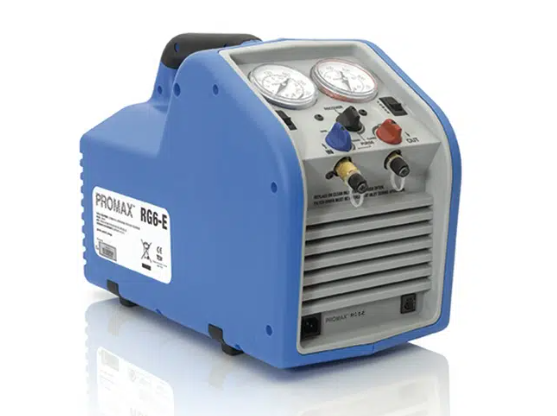
Contamination Control: Protect the Machine and Avoid “Mystery Failures”
Recovery machines don’t only struggle with heat. They also struggle with bad jobs. A machine can be mechanically fine, then get wrecked by the way it’s used: pulling through dirty lines, ingesting debris, or repeatedly recovering “unknown” refrigerant without a clean workflow.
In the field, contamination usually starts with good intentions. Someone wants to get the system down quickly. The rig goes on. The refrigerant comes out. But if the system has had a burnout, heavy acid, or a messy compressor failure, you can pull nasties straight into your recovery gear. That’s where you see weird behaviour later, like noisy operation, slow recovery that wasn’t there before, or a machine that suddenly needs repair.
The practical fix is discipline. Treat suspected burnout and unknown refrigerant jobs as higher risk. Keep the rig clean. Keep cylinders clearly labelled. Don’t cross-contaminate cylinders because it “seems close enough”. It never feels like a big deal on the day, but it becomes a big deal when the next job is slowed down by a cylinder that’s now a mixed-refrigerant headache.
If you’re buying for a workshop team, this is worth building into your standard process. One consistent workflow across the team usually protects the machine better than any fancy feature list, because it stops the bad habits that kill tools early.
Compliance and Safe Work: Keep It Simple and Correct
Recovery is not the place for shortcuts. In Australia, refrigerant handling is tied to licensing and safe work practices. The safe approach is simple. Recover into an appropriate cylinder, handle refrigerant responsibly, and follow the equipment instructions for the model you’re using.
If you want the official licensing reference point in one place, use this: ARCtick refrigerant handling licensing in Australia.
On site, “compliance” mostly looks like good habits. Label cylinders properly. Don’t mix refrigerants. Don’t ignore warning signs like overheating and abnormal noises. And don’t use a machine outside its stated approvals just because you’re in a rush.
For R32 work in particular, take the approvals check seriously. Your best defence is being able to point to the model documentation and say, “This exact unit is approved for what we’re doing.” That’s a calmer place to be than guessing.
For R32 work, confirm the recovery machine’s approved refrigerant list for that exact model. Don’t assume suitability. Check the listing and the manufacturer documentation.
Buyer Checklist: What to Compare Before You Commit
When you’re choosing a recovery machine, the safest way to buy is to compare practical criteria you can confirm, rather than chasing hype. The table below keeps it simple so you can make a clean decision.
Use it like a filter. If a machine fails the refrigerant approval question, it’s not the right pick for your common jobs. If it fails the heat management reality for your environment, it will frustrate the team. If it’s awkward to rig and awkward to maintain, it will slowly become “the machine nobody wants to use”.

| What to compare | Why it matters | How to confirm |
|---|---|---|
| Approved refrigerants (R32 / R410A) | Stops you buying a machine that can’t suit your real jobs | Check the approved refrigerant list on the listing and model documentation |
| Heat protection and shutdown behaviour | Prevents mid-job stoppages on hot sites and protects the machine long term | Look for stated protections and design that supports airflow and field use |
| Porting and practical setup | Affects how fast you can rig, de-rig, and avoid restrictions | Review the unit layout and confirm it suits your typical hoses and workflow |
| Serviceability and local support | Reduces downtime when maintenance is needed | Confirm expectations with your supplier and keep documentation accessible |
| Portability vs heavy-duty use | Portable suits frequent small jobs; heavy-duty suits long recoveries | Match the format to your job mix, not a single “best” claim |
Which Type Suits You: Service Van, Mixed Work, or Workshop Recovery
Once you’ve confirmed refrigerant approvals and you’re thinking realistically about heat, the next decision is simply “what kind of jobs do we do most?”. Most teams fall into three buckets, and buying gets easier when you’re honest about which bucket pays your bills.
If you’re mainly doing residential splits and small commercial calls, portability usually wins. You want a unit that’s easy to carry, quick to set down, and simple to rig without a pile of odd adapters. When the machine is easy to deploy, it gets used properly instead of becoming “that heavy box” that stays in the ute until you’re desperate.
If your work is mixed, meaning you bounce between installs, service, and occasional heavier recovery, you want balance. That normally means a machine that’s still portable, but built to run longer and handle heat without constantly cutting out. This is also where standardising a consistent recovery rig helps most, because different job types create different “temptations” to shortcut the setup.
If you’re a workshop team or you regularly do long recoveries, you’re buying for run time and durability first. You want a machine that stays stable when it’s hot, keeps airflow clear, and doesn’t feel precious. You also want good serviceability, because downtime costs money fast when the whole team relies on one unit.
The big takeaway is this. There isn’t one “best recovery machine”. There is the best match for your week. Buy for your common jobs, then train the team on one clean workflow so you get predictable results instead of guessing every time.
Simple Setup Habits That Make Any Recovery Machine Work Better
You don’t need to overcomplicate recovery to get a better result. You need a few habits that protect the machine and reduce wasted time.
Keep airflow clear around the unit. A recovery machine that can’t breathe will run hot, and hot machines either slow down or cut out. In tight plant rooms, don’t shove the unit against a wall and expect it to perform. Give it space and keep the condenser area clear.
Keep your setup consistent. The more random adapters and “mystery hoses” you stack into the rig, the more restrictions and leak points you create. When every tech rigs the same way, troubleshooting becomes faster and performance becomes more predictable.
Manage the cylinder like it matters. A cylinder that heats up becomes a pressure problem, and pressure becomes a speed problem. Shade it where you can. Keep it off hot concrete if possible. Don’t let it cook in the sun while you wonder why recovery slowed down.
Pay attention to warning signs. If a machine starts cutting out, running unusually hot, or making new noises, treat it as a signal. Heat and contamination issues often show up early if you listen and look.
Troubleshooting: When Recovery Is Slow or Keeps Stopping
If recovery feels slow, don’t jump straight to “this machine is weak”. Most of the time the issue is the setup. Start by checking the flow path. Long hose runs, narrow hoses, and stacked adapters can choke recovery hard. If you can shorten the run and reduce restriction, you often see an immediate improvement.
Next, check cylinder temperature. If the cylinder is hot, pressure rises and the machine has to work harder. That slows the job and also increases the chance of heat cut-out. Get the cylinder out of direct sun, keep airflow around it, and avoid leaving it on heat-soaked concrete.
If the machine is cutting out, think airflow. Vents blocked with dust or positioned too close to a wall can make the machine run hotter than it should. Give it space, keep the condenser area clear, and avoid trapping it in a tight corner of a plant room.
If the behaviour still doesn’t make sense, treat it like a contamination or “unknown refrigerant” suspect. A machine that suddenly behaves differently across multiple jobs can be telling you it needs a clean-up or service, not that every system you touched this week is the problem.
FAQs: Recovery Machine Buyer Guide
Can one recovery machine handle both R32 and R410A?
Sometimes, yes, but only if the manufacturer explicitly lists those refrigerants for that exact model. The safe approach is to check the approved refrigerant list on the listing and the documentation. Don’t assume suitability based on looks or a generic “modern refrigerants” claim.
Why does recovery slow down near the end?
As pressure differences reduce and the cylinder warms up, recovery naturally slows. That’s normal. The key is controlling restrictions and temperature so the machine isn’t fighting unnecessary bottlenecks or heat. If it gets painfully slow, check hose restriction, cylinder temperature, and airflow first.
What causes heat shutdowns on site?
Hot ambient conditions, blocked airflow, dust in the condenser area, and tight plant room positioning can all push a machine into thermal protection. Good habits like keeping vents clear and giving the unit space can prevent a lot of cut-outs.
Do I need a special machine for A2L refrigerants like R32?
The important part is approval. R32 is A2L, so you should only use a recovery machine that is explicitly approved by the manufacturer for that refrigerant. If it’s not on the approved list for the model, it’s not worth the risk.
What’s the simplest way to avoid buying twice?
Shop with your common jobs in mind, confirm refrigerant approvals first, then prioritise heat management for Australian conditions. After that, standardise the recovery workflow across the team so the machine can perform the same way on every job.
Buy for Your Refrigerants, Your Heat, and Your Workflow
The best recovery machine is the one that matches your actual jobs. If you’re doing a lot of R32, confirm approvals first. If you’re working in hot sites and long recoveries, prioritise heat protection and airflow design. If you’re in-and-out of service calls all day, prioritise portability and quick setup.
Soft next step: tell our team what refrigerants you handle most (R32, R410A, or mixed), your typical job type (splits, ducted, refrigeration), and whether you need a portable unit or a heavier-duty setup. We’ll help you narrow the choice and confirm compatibility before you order.